
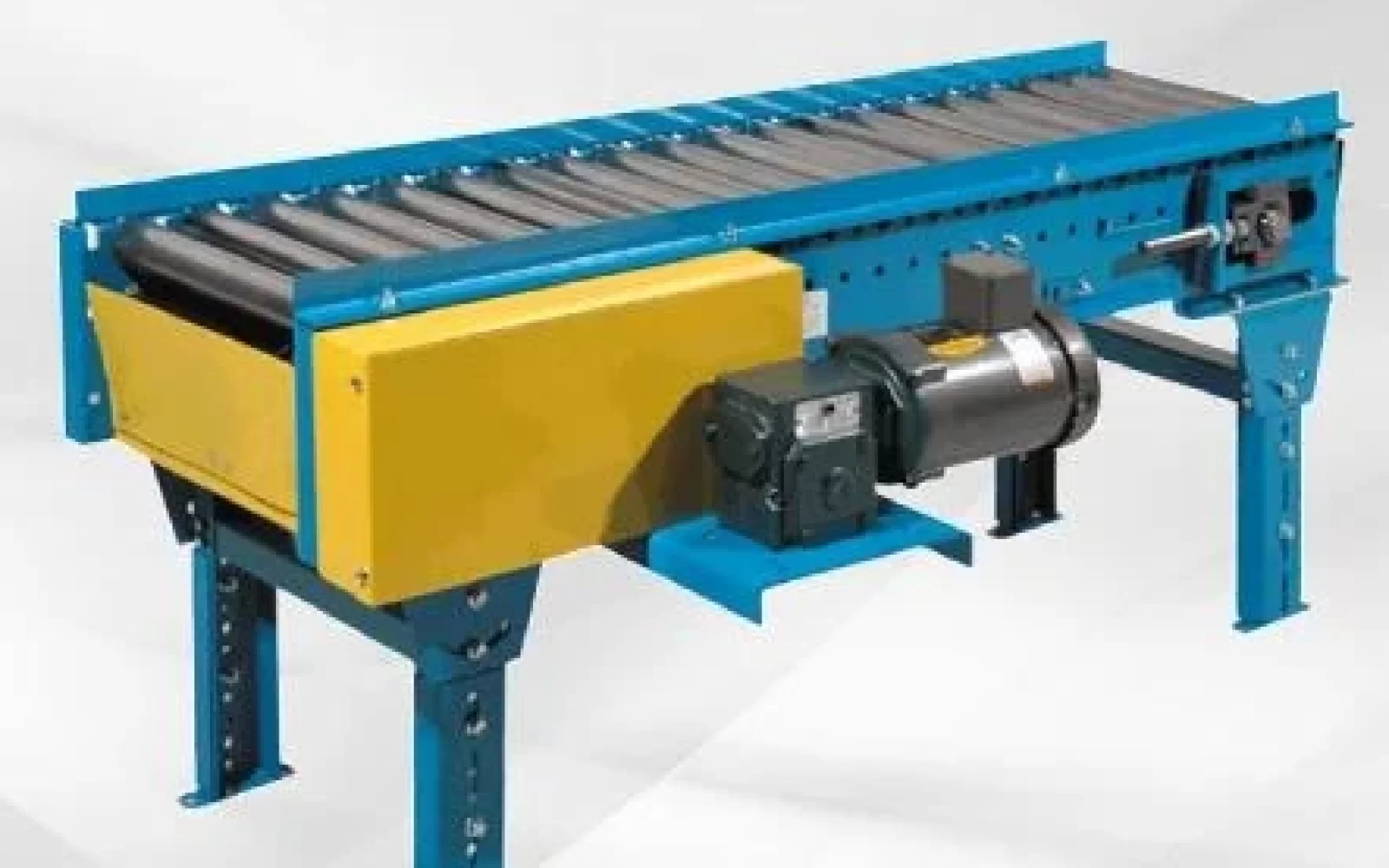
Industrial Importance of Roller Conveyor Shot Blasting Machine
What is a Conveyor Shot Blasting Machine?
A conveyor shot blasting machine is a specialized surface preparation system used in industrial applications for cleaning, descaling, strengthening, and finishing metallic components. The process involves propelling high-velocity abrasive media (such as steel shots or grit) onto the work surface using centrifugal shot blasting wheels or air blast nozzles. The controlled impact energy effectively removes surface contaminants, including rust, mill scale, oxide layers, and paint residues, while also inducing surface compressive stress that enhances fatigue strength.
Among the various configurations available, automated and conveyor-integrated systems have gained significant industrial preference due to their capability for continuous, high-throughput operation. In particular, the Automatic shot blasting machine is widely adopted in modern production lines, as it minimizes manual handling, ensures consistent blasting quality, and improves overall process efficiency. These systems are typically integrated with automated material handling mechanisms, process control units (PLC-based), and abrasive recovery systems, making them suitable for large-scale manufacturing environments requiring uniform and repeatable surface treatment results.
For more info about the portable shot blasting machine, visit our webpage.
Understanding Roller Conveyor Shot Blasting Machine
The Roller conveyor shot blasting machine is an engineered surface treatment system specifically designed for processing flat, elongated, and heavy-duty steel components such as plates, structural beams, profiles, and fabricated assemblies.
In this system, workpieces are conveyed continuously through a fully enclosed blasting chamber using a motor-driven roller conveyor mechanism. The conveying speed is precisely controlled to regulate exposure time and ensure uniform treatment. Within the blasting chamber, high-efficiency blast wheels accelerate abrasive media at high velocity and direct it onto the surface of the workpiece, enabling effective removal of contaminants such as rust, mill scale, and oxide layers while achieving a consistent surface profile.
This equipment is extensively utilized in industries where high throughput, process consistency, and superior surface quality are critical requirements, particularly in large-scale steel fabrication, construction, and heavy engineering applications.
Working Principle of Roller Conveyor Shot Blasting Machine
The working cycle of a Roller shot blasting machine is fully automated and consists of multiple integrated process stages designed to ensure consistent surface treatment, high efficiency, and controlled operational parameters.
- Loading Section: Steel plates or structural components are loaded onto the infeed roller conveyor system, which is designed to handle heavy-duty materials with stable alignment and smooth transfer.
- Feeding and Conveying: The motor-driven roller conveyor transports the workpieces into the blasting chamber at a precisely controlled speed. This conveying speed is a critical parameter, as it directly determines the exposure time and intensity of the blasting process.
- Blasting Process: Within the blasting chamber, high-performance blast wheels accelerate abrasive media such as steel shots or grit to high velocities. The abrasives impact the work surface uniformly, effectively removing rust, mill scale, oxidation layers, and other surface contaminants while achieving the desired surface profile.
- Abrasive Recovery System: After impact, the used abrasive material is collected through a recovery system comprising screw conveyors, elevators, and separators. The system cleans and recirculates usable media, ensuring efficient material utilization and reduced operating cost.
- Dust Collection System: A high-efficiency dust extraction unit continuously removes fine dust and airborne particles generated during blasting. This ensures a controlled, pollution-free working environment and compliance with industrial safety and environmental standards.
- Output Section: The treated workpieces exit the machine via the discharge roller conveyor, with a cleaned, profiled, and prepared surface ready for downstream processes such as painting, coating, or fabrication.
Key Features of Roller Conveyor Shot Blasting Machine
- The Roller conveyor shot blasting machine is designed for fully automated operation with minimal human intervention, ensuring consistent process control and improved productivity in industrial environments.
- It is equipped with a heavy-duty roller shot blasting machine, engineered to handle large, heavy, and continuous steel components with stable movement and precise alignment throughout the blasting process.
- The machine incorporates high-efficiency blast wheels, which are dynamically balanced and designed to deliver uniform abrasive velocity for consistent surface treatment and optimal cleaning performance.
- An advanced abrasive recovery and recycling system is integrated to collect, separate, and reuse abrasive media, significantly reducing operational costs and material wastage.
- The system includes a high-capacity dust collection unit, which ensures effective extraction of fine particles, maintaining environmental compliance and a safe working atmosphere.
- A PLC-based control system governs all machine operations, enabling precise parameter control such as conveyor speed, blasting intensity, and system monitoring for reliable and repeatable performance.
Applications in Industry
The demand for the Roller conveyor shot blasting machine is increasing across multiple sectors:
- Steel fabrication and structural engineering industries: where large structural members such as beams, plates, and fabricated assemblies require controlled surface preparation to ensure proper coating adhesion and corrosion resistance.
- Shipbuilding and marine industries: where steel surfaces are exposed to highly corrosive environments and require intensive blasting for rust removal and surface profiling before protective coating applications.
- Automotive and heavy equipment manufacturing: where precision cleaning and surface strengthening of components are essential to improve durability, fatigue resistance, and coating performance.
- Construction and infrastructure projects: involving bridges, buildings, and structural frameworks that demand high-quality surface treatment for long-term structural integrity and environmental resistance.
- Railway component manufacturing: where critical parts such as chassis, bogies, and structural frames require uniform blasting for enhanced mechanical performance and coating readiness.
- Pipeline and pressure vessel industries: where internal and external surfaces must be properly cleaned and prepared to ensure safety, corrosion protection, and compliance with industrial standards.
Advantages for Industrial Users
For manufacturers and engineers, investing in a modern shot blasting system provides several benefits:
- Improved surface adhesion for painting and coating: The blasting process generates an optimized surface profile (anchor pattern), which significantly enhances mechanical bonding between the substrate and applied coatings.
- Enhanced corrosion resistance of metal components: By effectively removing mill scale, rust, and oxide layers, the system ensures a clean metallic surface that improves long-term resistance against environmental corrosion.
- Reduced manual labor and operational costs: The automation of loading, blasting, and unloading processes minimizes human intervention, thereby reducing labor dependency and overall operational expenses.
- High production efficiency for large-scale operations: Continuous conveyor-based processing enables uninterrupted workflow, making the system suitable for high-volume industrial production environments.
- Consistent and repeatable surface finishing quality: Controlled blasting parameters ensure uniform surface treatment across all workpieces, maintaining high repeatability and process reliability.
- Long-term cost savings through abrasive recycling: The integrated recovery and separation system allows efficient reuse of abrasive media, significantly reducing consumable costs over time.
Role of Shot Blasting Machine Manufacturers
Selecting the right Shot blasting machine manufacturers is critical for industrial buyers. A professional supplier provides not only the machine but also:
- Technical consultation based on production requirements: Suppliers provide detailed engineering consultation to assess workload, material type, production capacity, and surface preparation standards, ensuring the correct machine configuration is selected.
- Custom machine design for specific applications: Systems can be engineered and customized based on client requirements, including conveyor width, blasting capacity, automation level, and component handling specifications.
- Installation and commissioning support: Professional installation services ensure proper machine setup, alignment, calibration, and testing for smooth and efficient operation from the initial stage.
- Spare parts availability and after-sales service: Reliable supply of genuine spare parts of shot blasting machine, along with prompt service support, ensures minimal downtime and long-term operational stability.
- Operator training and maintenance guidance: Comprehensive training is provided to operators and maintenance staff to ensure safe handling, correct machine operation, and preventive maintenance practices for optimal performance.
Shot Blasting Machine Price Factors
The shot blasting machine price, especially for a roller conveyor system, depends on several technical and operational factors:
- Machine size and conveyor width: The overall dimensions of the machine, including the width of the roller conveyor, directly impact the type and size of workpieces that can be processed, which in turn influences the overall system cost.
- Production capacity (tons per hour): Higher production capacity requires more powerful components, additional blast wheels, and enhanced material handling systems, resulting in increased machine investment.
- Number and power of blast wheels: The quantity and horsepower of blast wheels determine the blasting efficiency, coverage area, and cleaning speed, making it a key factor in cost variation.
- Level of automation: Fully automated systems with PLC controls, sensors, and integrated material handling are more advanced and costlier compared to semi-automatic or manual configurations.
- Quality of abrasive recovery and dust collection system: Advanced recycling systems with efficient separation units and high-capacity dust collectors improve performance and environmental compliance but also increase overall machine cost.
- Customization requirements for specific industries: Special design modifications based on industry needs, such as heavy-duty fabrication, shipbuilding, or pipeline applications, add engineering complexity and affect final pricing.
Why Automatic Shot Blasting Machines Are in Demand
Modern industries prefer the automatic shot blasting machine due to its ability to reduce human dependency and improve consistency.
- Continuous production capability: The Automatic shot blasting machine is engineered for uninterrupted operation, enabling continuous feeding, blasting, and discharge of workpieces, which significantly improves production throughput.
Lower operational errors: Automated process control through PLC systems minimizes human intervention, thereby reducing the possibility of operational inconsistencies and ensuring stable process parameters. - Better safety for workers: The enclosed blasting chamber design, combined with automated material handling, reduces direct exposure to high-velocity abrasive media and dust, improving overall workplace safety.
- Higher efficiency in mass production environments: The system is optimized for large-scale industrial applications, offering consistent cycle times and high-volume processing capability with reduced downtime.
- Integration with modern production lines: The machine can be seamlessly integrated into existing manufacturing workflows, including conveyor systems, robotic handling units, and upstream/downstream processing equipment, ensuring synchronized production flow.
Maintenance and Operational Best Practices
To ensure long-term performance of a shot blasting system:
- Regular inspection of blast wheels and replacement of worn components: Periodic evaluation of blast wheel assemblies, including blades, liners, and impellers, is essential to maintain optimal throwing efficiency and consistent surface treatment performance.
- Maintenance of roller conveyor alignment and lubrication: Proper alignment of the roller conveyor system must be ensured to avoid material tracking issues, while regular lubrication of bearings and drive mechanisms reduces friction and mechanical wear.
- Cleaning of dust collectors and filter systems: The dust collection unit should be cleaned and serviced at regular intervals to maintain efficient air filtration, prevent clogging, and ensure compliance with environmental and safety standards.
- Monitoring of abrasive quality and separation efficiency: Continuous assessment of abrasive media condition and separator performance is necessary to ensure effective recycling, consistent blasting quality, and reduced consumable wastage.
- Periodic system calibration and safety checks: Routine calibration of control parameters along with inspection of safety interlocks, sensors, and emergency systems ensures reliable operation and minimizes the risk of operational failures.
For more info about the abrasive blasting machine, visit our webpage.